Past Projects
This page contains a sample of some recent projects. Although these are now complete, the ARC remains interested in these topics and would be pleased to consider applications from prospective postdoctoral scientists, PhD and Masters students to conduct research in related areas.

-
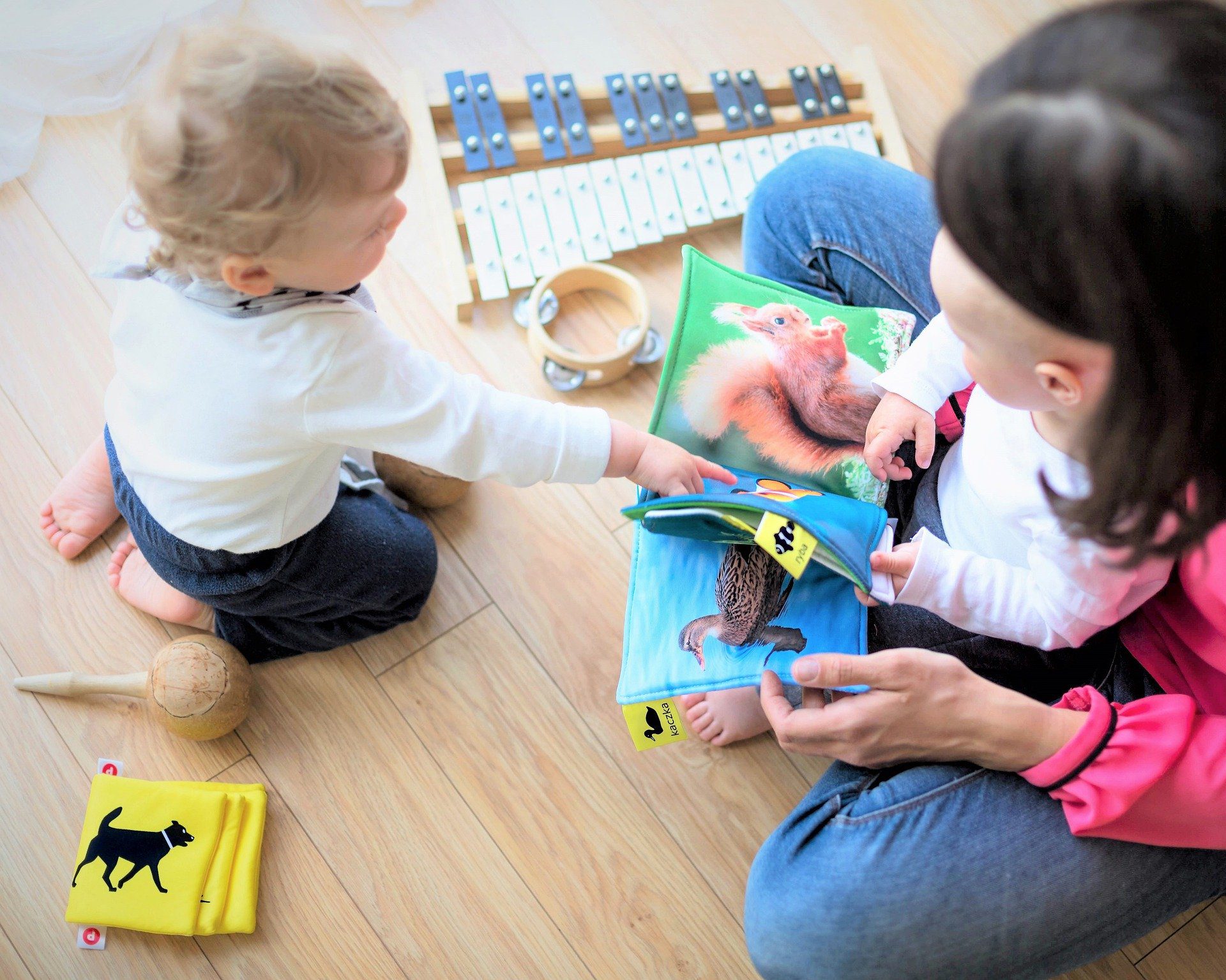
Cambridge Human Imaging and Longitudinal Development (CHILD) Study
- Programme:
- Screening and Diagnosis
This study will help us to better understand early developmental differences in autism as well as how autistic mothers can be better supported.
-
The CAST: determining autism prevalence in UK primary schools
- Programme:
- Screening and Diagnosis
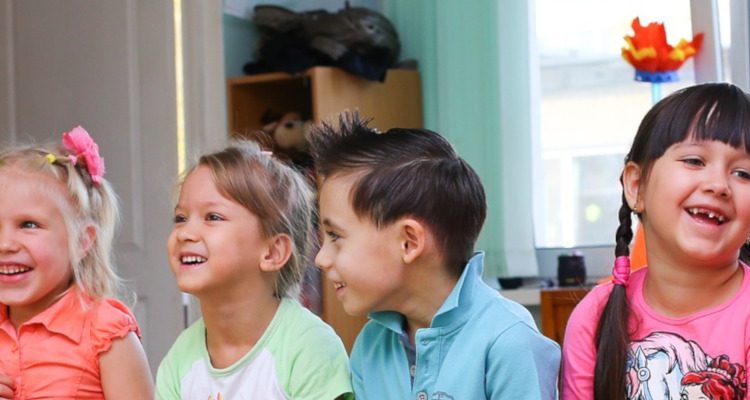
The Childhood Autism Spectrum Test (CAST), was developed as a screening measure in a population prevalence study of autism in UK primary schools.
-
The Eindhoven study: STEM regions and autism
- Programme:
- Epidemiology, Screening and Diagnosis
It has been suggested that rates of autism are higher in areas with lots of jobs in science, technology, engineering and maths (STEM). This study aimed to determine the prevalence of autism among children in three regions in the Netherlands.
-
EU policy research and autism: AIMS-2-TRIALS
- Programme:
- Mental Health, Physical Health, Screening and Diagnosis
The ARC’s primary aim within AIMS-2-TRIALS is to ensure that the diverse voices across the autism community are heard and that the project takes the community’s priorities and concerns seriously.
-
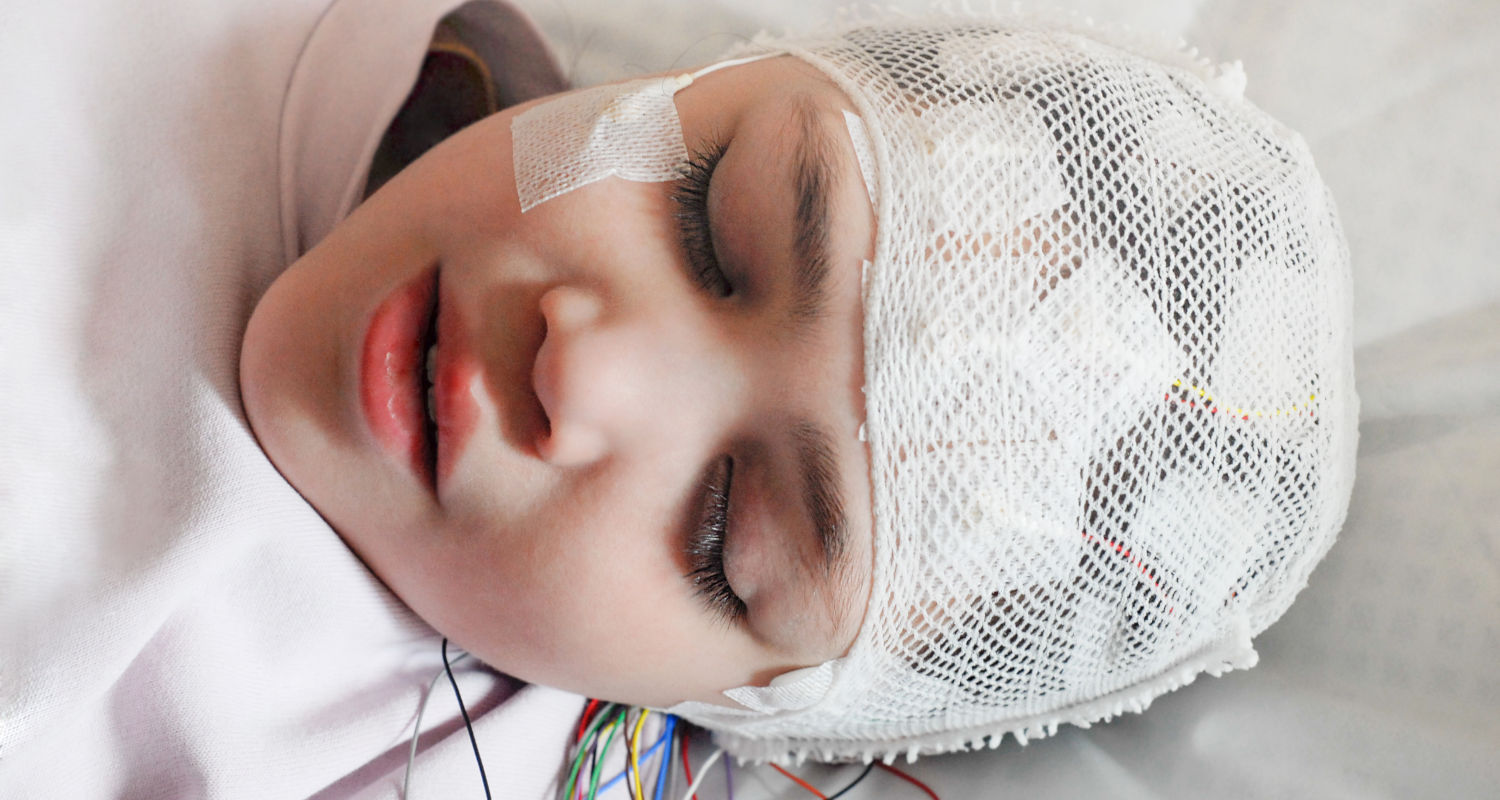
Event-related potential (ERP) and autism
- Programme:
- Neuroscience
Event related potentials (ERP) are a low-cost method of brain imaging which can be used while the person does a task or test. This study looks at how the autistic brain differs when carrying out tasks.
-
Learning, uncertainty and autism
- Programme:
- Perception and Cognition
This study aims to understand how autistic people perceive, learn, and process information differently, in particular in a world of more or less predictable changes.
-
Lego therapy and autism
- Programme:
- Interventions
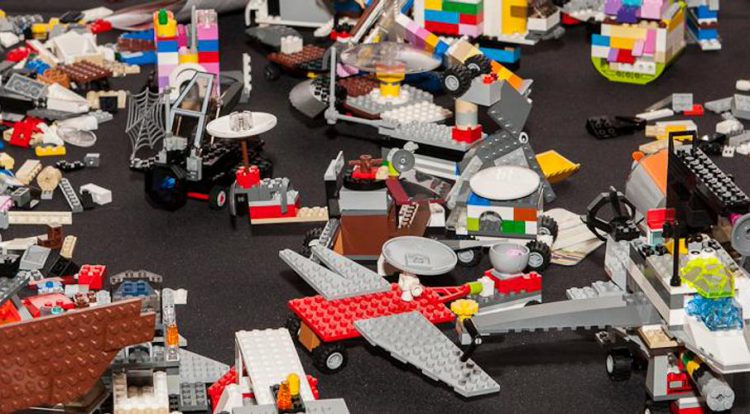
Lego, being a highly systematic toy, is a particularly rewarding toy for autistic children and has been shown to improve social skills. We have summarised our work evaluating Lego Therapy in a new manual.
-
MRI multicentre study and autism: MRC-AIMS, EU-AIMS
- Programme:
- Neuroscience
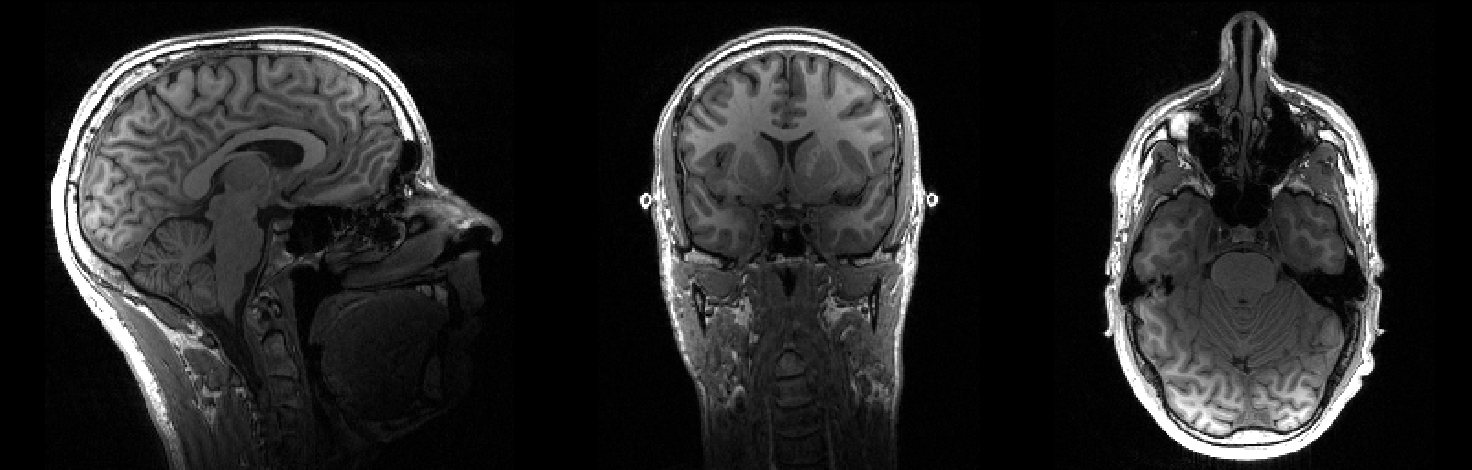
The MRC Autism Imaging Multicentre Study (AIMS) was the first multi-centre MRI study of autism in the UK, using Magnetic Resonance Imaging to research differences in brain and cognition in autistic people.
-
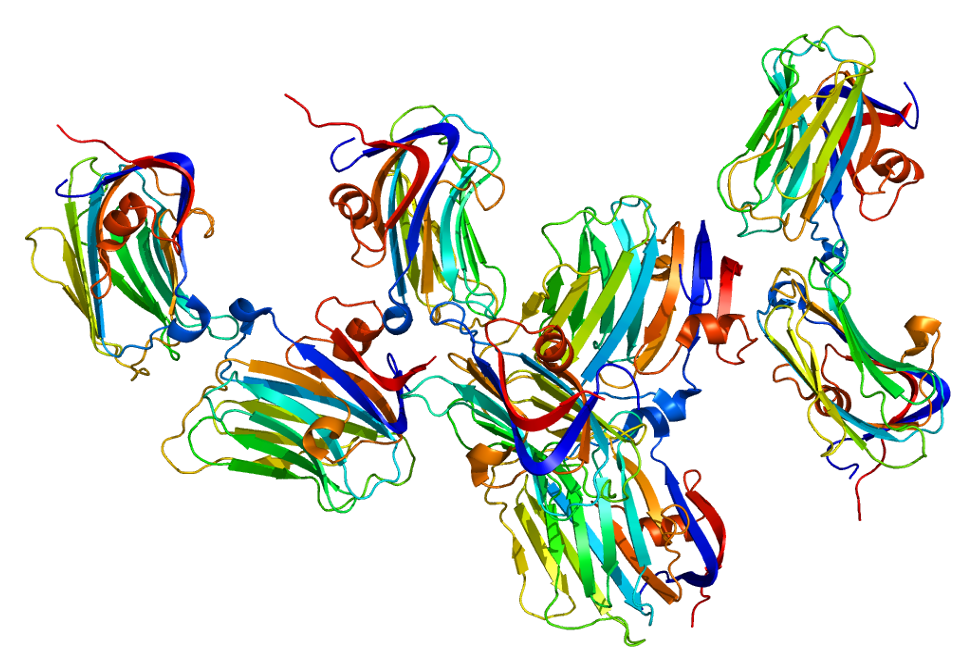
Neurexin 1 and autism
- Programme:
- Genetics and Environmental Factors, Neuroscience
Mutation in NRXN1 is one of about 100 high confidence rare genetic variants that has been associated with autism, although it can cause a diverse range of conditions - or none at all. This study looks to understand this gene's actions.
-
Oxytocin and autism
- Programme:
- Mental Health
Oxytocin (a hormone) plays a key role in social behaviour and social understanding. We studied the effects of inhaling it on the brains of autistic people.
-
The Parents Study
- Programme:
- Perception and Cognition
The Parents Study tests whether psychological traits in parents predict developmental outcomes in their children.
-
Physical health and autism
- Programme:
- Hormones, Physical Health
We investigate if certain physical health conditions are more common in autistic people, exploring medical vulnerabilities and biological pathways which may be helpful in understanding autism.
-
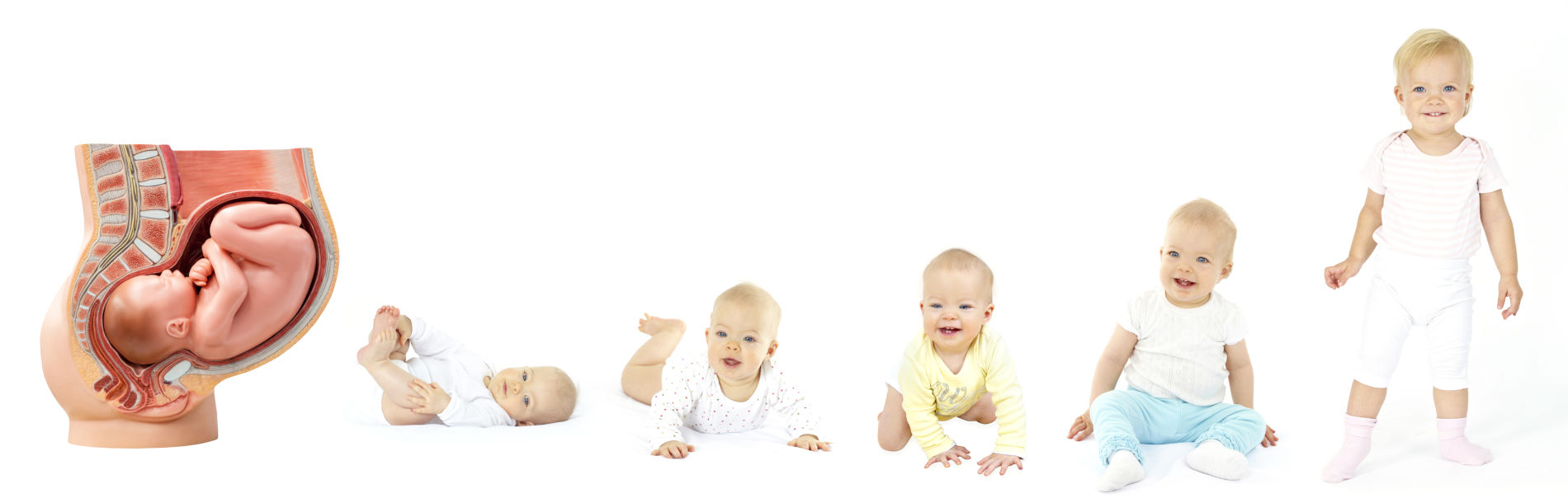
Prenatal sex steroid hormones and autism
- Programme:
- Hormones
Prenatal sex steroid hormones (like testosterone and estrogen) are known to change behaviour, cognition, and brain structure and function. This longitudinal study follows babies to see how hormones in the womb affect their behaviour.
-
Screening and autism
- Programme:
- Screening and Diagnosis
The ARC pioneered early screening for autism at 18 months of age, using the Checklist for Autism in Toddlers (CHAT), and since then we have refined it and created new measures across the lifespan that measure autistic traits. In some cases, we have tested how sensitive and specific they are to autism.
-
Spectrum 10K
- Programme:
- Genetics and Environmental Factors
Spectrum 10K was a research study that aimed to better understand autistic people's mental and physical health.
-
Structural and functional MRI and autism
- Programme:
- Neuroscience
It appears there are structural and functional differences in the brains of autistic people, although large scale studies are needed to verify this. This is one such study, looking at typical and autistic people, and the siblings of autistic people.
-
Suicidality and autism
- Programme:
- Mental Health
Rates of depression and anxiety are high in autistic people. This was the first large scale study to determine risk of suicidal behaviour in autistic adults.
-
Synaesthesia and autism
- Programme:
- Genetics and Environmental Factors, Synaesthesia
Synaesthesia appears more common in autistic people. We are working with the Max Planck Institute for Psycholinguistics in the Netherlands to identify and characterise genes that may make people more susceptible to developing synaesthesia.
-
Systemising and autism
- Programme:
- Perception and Cognition
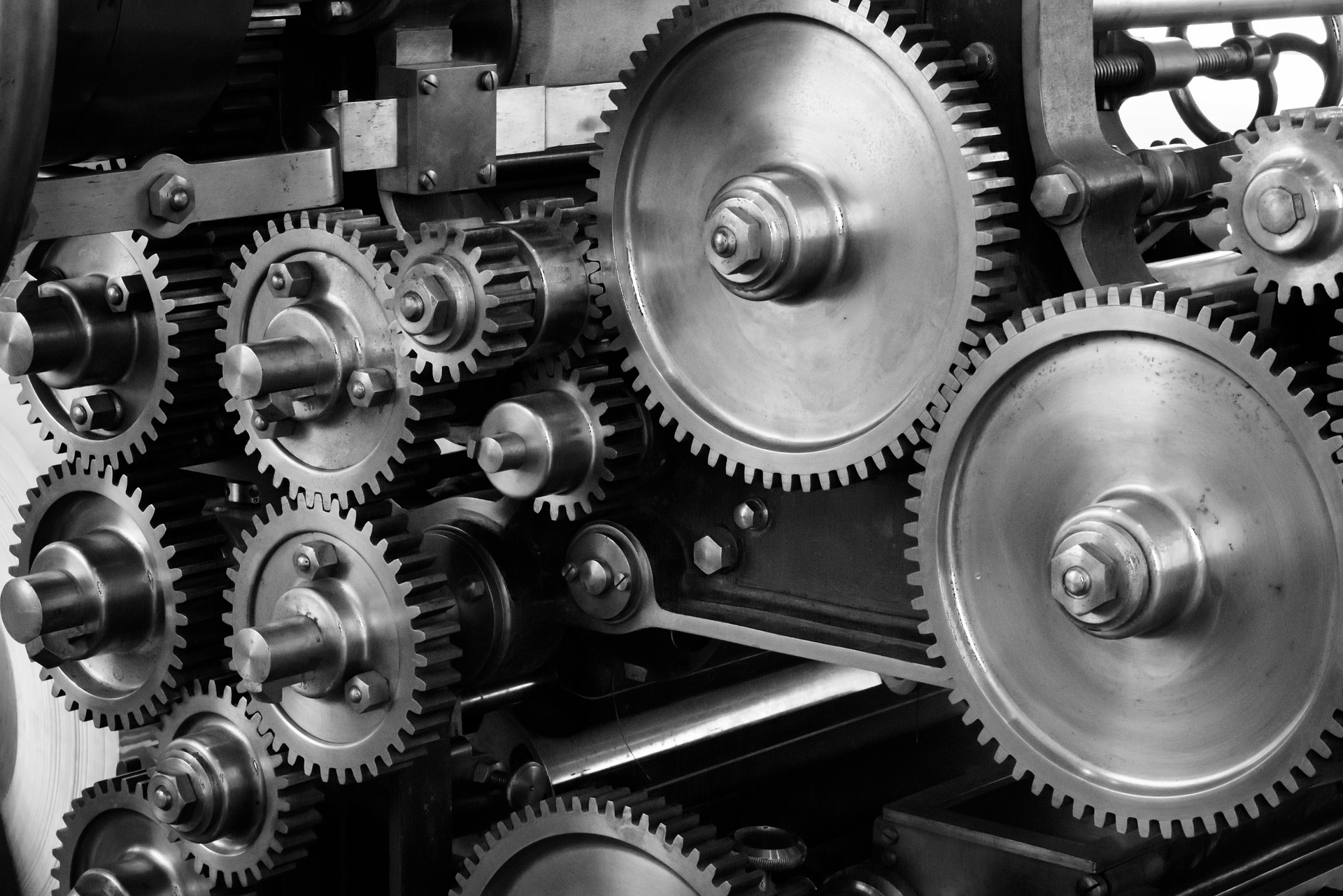
This study looks at whether autistic people have strengths in systemising - analysing or constructing systems like machines, number sequences and so on.
-
Teaching emotion recognition and autism
- Programme:
- Interventions
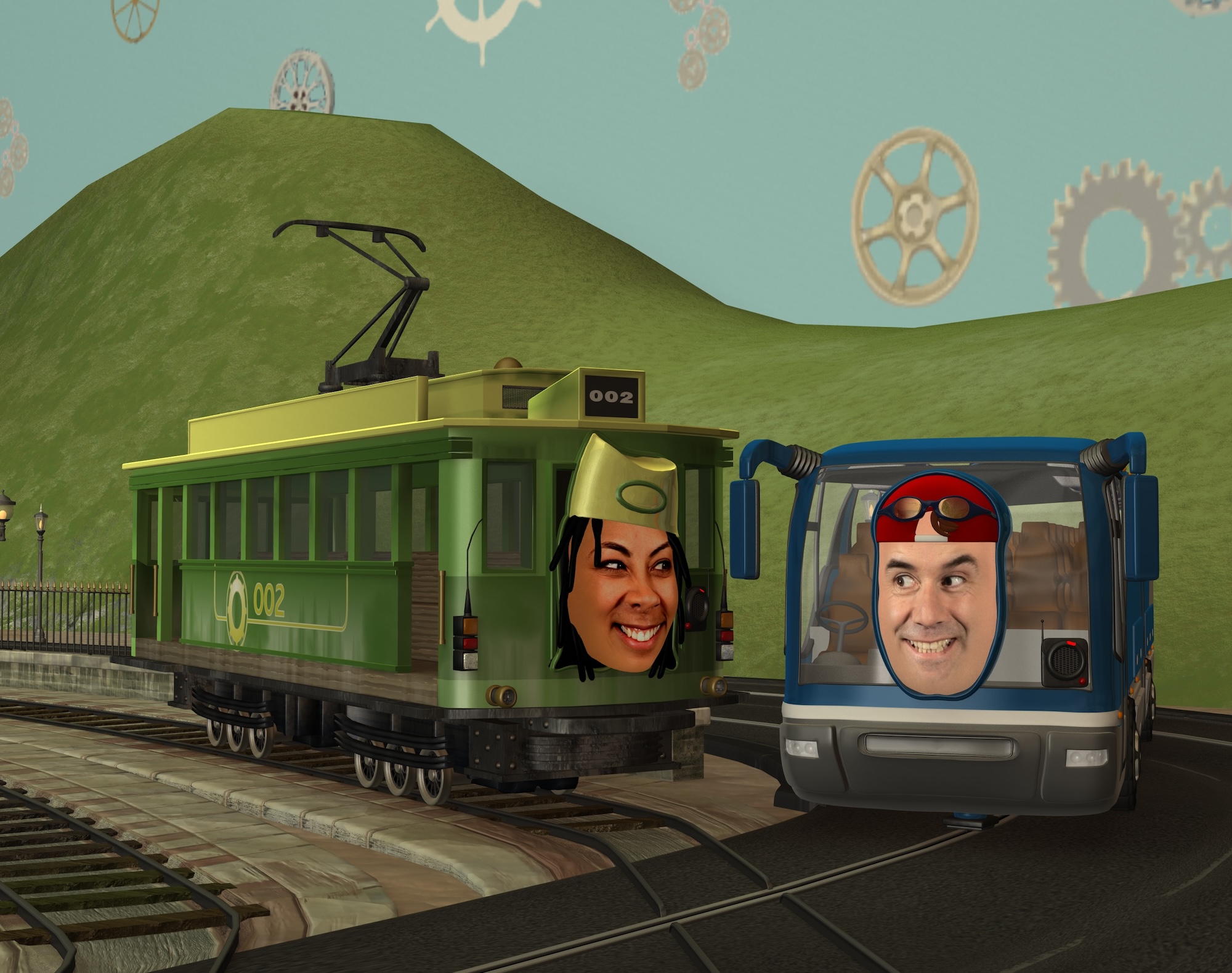
The Transporters is an animated series which aims to help autistic children to look at the human face and to learn about emotions. This study looked at the effectiveness of this approach and if emotion recognition can be taught.